
AI trading bot returns are easy to advertise with a stream of small payments. The harder question is what happened to the capital that generated them. Before treating a payout feed as a performance record, ask whether it includes deposits, losses, fees and customers who never qualified for a payout.
In an Investorwatchdog review, a page displayed dated rand-denominated withdrawals beside masked usernames. That is evidence of a published payout claim. Readers cannot use it to calculate a typical customer’s net return, the number of losing accounts or the source of payments.
One question that changes how you read the feed
Imagine two services displaying the same ten payouts. One might have ten customers and the other ten thousand. Even authentic receipts would tell different stories in those two settings. Ask where the complete performance record comes from and who, outside the platform, can confirm it.
Which accounts count toward the advertised AI trading bot returns?
Pick the period shown and ask how many accounts participated, how many lost money, and whether results include fees and deposits. Seek independently verified results for that same period. A live ticker can keep updating while those questions go unanswered.
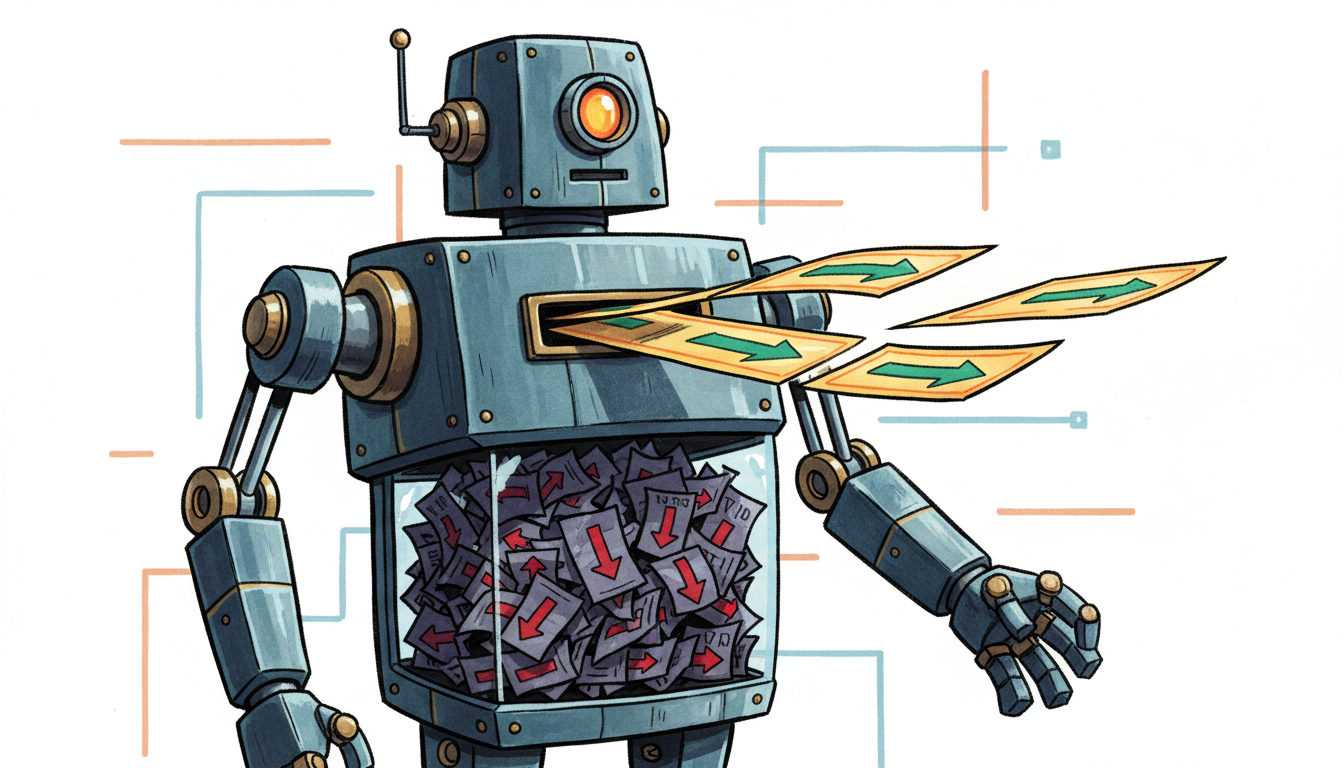
Read the labels literally
In the material reviewed by Investorwatchdog, the feed paired dates with masked account names and sums in rand. A reader could describe those elements accurately from the page. A reader could not identify the recipients, reconcile the entries to account statements or determine which payments represented trading profits. Calling every entry a return would add a claim the display did not establish.
Look closely at words such as paid, verified and recent. Who performed the verification? What was compared with what? A label produced by the platform tells you how the platform categorises an event. Independent verification would require a source with access to underlying records and a clear explanation of the period and method.
Calculate the return that the feed leaves out
Imagine depositing R1,000 and later receiving R100. If the account still holds R900, you may simply have received part of your own money back. If it holds R1,000 after costs and that amount can be withdrawn, the same payment has a different meaning. The feed would show R100 in both cases.
Ask for beginning equity, additional deposits, withdrawals, ending equity and fees for the same account over the same dates. In a simple example with no additional deposits, ending equity plus withdrawals minus beginning equity gives the cash gain or loss. More complex cash flows need more careful measurement, especially when deposits arrive late in the period.
What counts as a fair comparison?
When pitching AI trading bot returns, a salesperson might show the best day for one bot and the monthly average for another. Those figures answer different questions. Ask for matching periods, a consistent definition of return, and the largest decline from a previous peak. A system that ends the month ahead can still expose an investor to a loss they cannot tolerate along the way.
Find out whether the results came from live accounts or a simulation. A historical test may assume orders filled at prices that were unavailable in practice. Ask how trading costs, delays and failed orders were handled. A polished chart cannot supply that information by itself, however sophisticated the model is claimed to be.
Who can move the money?
Separate the trading claim from the custody arrangement. Does the operator request a deposit into its wallet, access to an exchange account or an API key? Determine exactly which permissions are requested. The ability to place trades and the ability to withdraw assets are materially different permissions. Check the settings inside your own exchange before granting access.
If someone says a withdrawal permission is essential, ask for the technical reason in writing and verify it with the exchange independently. Never send credentials or screenshots of secret keys in a group chat. You can evaluate a performance claim without granting a stranger access to a funded account.
What to request before trusting AI trading bot returns
“Please show the net performance for all eligible accounts over the stated period, identify excluded accounts and explain who verified the figures.” An answer that returns only to the recent payout feed leaves the investment question unresolved. Save both the request and the reply if the difference matters to your decision.
When discussing AI trading bot returns with someone else, distinguish the amount displayed, the amount independently evidenced and the amount an investor could withdraw after costs. Those three figures can differ substantially. Making each one explicit is more informative than trying to decide whether a masked username looks authentic.
Can two people report different AI trading bot returns honestly?
Yes. Entry dates, allocations, fees and withdrawals can produce different results even for people using the same strategy. To compare AI trading bot returns across accounts, ask what each person deposited, what came back and what remains independently verifiable. A sincere testimonial from one participant cannot answer those questions for everyone who used the service.
Ask for an example that includes a losing month as well as a winning one. Compare both calculations. Do they exclude closed accounts or customers who withdrew funds?