
A crypto recovery scam targets the period after a loss, when a convincing update can feel like the first piece of good news in weeks. Before replying, ask how the caller could know your details and what authority they actually have over the funds they claim to have found.
A caller knows the amount you lost and names the platform. That detail feels like proof they traced your funds. The FTC explains that information about people who have lost money can be bought and shared. The caller may know your history without having any access to your money.
When the caller claims to represent an agency
Write down the agency, office and case number, then end the call. Use the agency’s own website to find its number and check the story. Keep the original message if the caller threatens to close the case. A deadline supplied by the caller gives you no independent evidence that funds are waiting.
Separate the new offer from the original loss
Save the recovery pitch as a second incident, including the fee, payment destination and claimed affiliation. Call your original payment provider using the number in its app or on your card. Ask which dispute or fraud-reporting options apply to the original transfer.
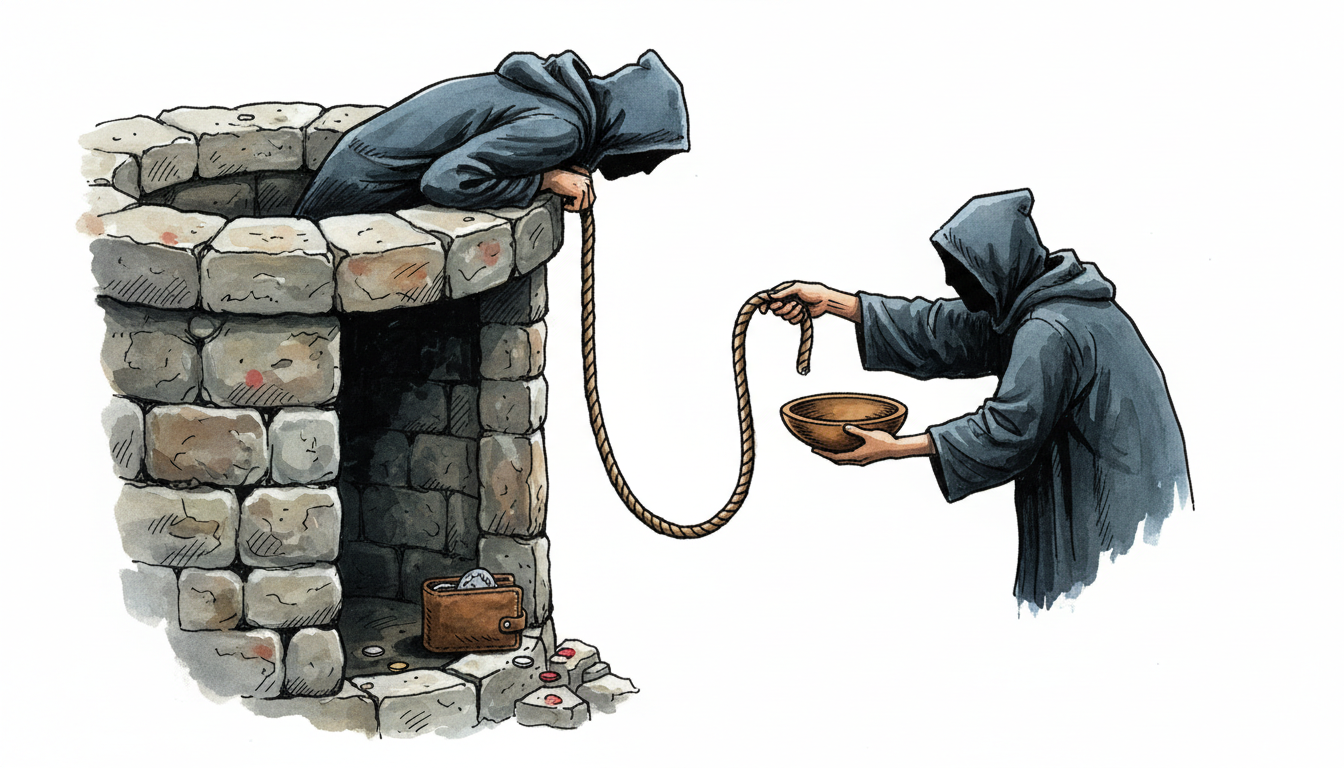
How a crypto recovery scam can follow a public complaint
Imagine posting about a missing withdrawal. The following morning, a person claiming to be an investigator quotes your complaint and says an exchange has frozen the assets. The details may come straight from your post. Ask which facts the sender has established independently and which were already visible to anyone reading it.
Even if you kept the complaint private, knowledge of a platform name or deposit size proves little by itself. The FTC describes how people who have already lost money may be targeted again. Treat accurate personal details as a reason to protect your records carefully, rather than a reason to trust the caller.
Trace, freeze and return are different promises
A transaction hash may help someone follow a transfer on a public blockchain. Showing you that transfer does not demonstrate control of the destination wallet. Nor does it establish that a particular exchange is holding your assets or has agreed to release them. Ask which of those claims the sender is making.
To check for a crypto recovery scam when a caller says an exchange has an open case, locate that exchange yourself and ask its official support team how to verify the reference. Share only the information required through its established channel. An email forwarded by the caller and a phone number in the same email are still a single source.
When an invoice becomes the centre of the pitch
Read the line describing exactly what payment buys. A supposed clearance certificate, tax, insurance bond or release charge can all serve the same purpose in a crypto recovery scam: persuading you to send fresh money. Look for the recipient, promised outcome and consequence the caller attaches to refusing.
A request for remote access or a wallet recovery phrase deserves immediate attention even when the caller waives the fee. Someone who can see your screen may observe account information; someone who obtains your phrase may control wallet assets. Close the conversation and seek guidance through the affected provider’s verified support channel.
What to ask your original payment provider
Explain how you paid, when you realised there was a problem and whether another party has since requested money. A card issuer, bank and crypto exchange handle different transactions. Give the provider the reference for its own leg of the payment. Ask for a case number and its process for supplying further evidence.
If you already paid someone in a suspected crypto recovery scam, document that transfer separately. Include the new beneficiary, payment method and date. This lets a reviewer distinguish the initial loss from a second incident even if the recovery caller used the original platform’s name. A clear split also makes it easier to update one case later.
A response you can use with family
A relative may sincerely believe you should “try one last payment.” Show them the specific gap in the evidence. The caller knows about the loss and has issued an invoice, but the institution supposedly holding the funds has yet to confirm the claim through a channel you located independently.
You can ask that relative to help organise receipts or sit with you while you call your bank. That gives you a second pair of eyes without giving an unknown intermediary money or credentials. An effective response to a crypto recovery scam starts by moving the conversation to someone who can account for the original payment.
What if a crypto recovery scam promises payment only after success?
Read the next step before sharing anything. An offer advertised as payment on success may still ask for identification, a wallet connection or a deposit to activate the case. Evaluate the actual access and money requested at each stage, even when the headline promise sounds reassuring.
Retain the envelope or email if the offer arrived in writing. A return address, reply address or invoice reference may help the genuine organisation identify other approaches using the same details.