
A crypto withdrawal fee scam often becomes visible at the moment you try to take money out. The question to ask is simple: what changed between the day you deposited and the day you requested payment? Put the two sets of instructions side by side before deciding whether the explanation makes sense.
You ask to withdraw $2,000. Support replies that you must first send $200 to a new address. The numbers are illustrative, but the sequence matters. Someone who controls the screen can change the amount they say you owe each time you pay.
A reported crypto withdrawal fee scam
California’s DFPI tracker includes a report from someone who said a platform demanded $23,000 as a 10% commission before releasing funds. That figure is the complainant’s account. The detail worth comparing with your own experience is when the commission was first disclosed and where the platform asked you to send it.
Follow the money request
Save the original fee schedule and the new demand. Compare the recipient of your deposit with the recipient of the proposed fee. Ask your exchange’s fraud team to review the transaction through its official app before sending anything else.
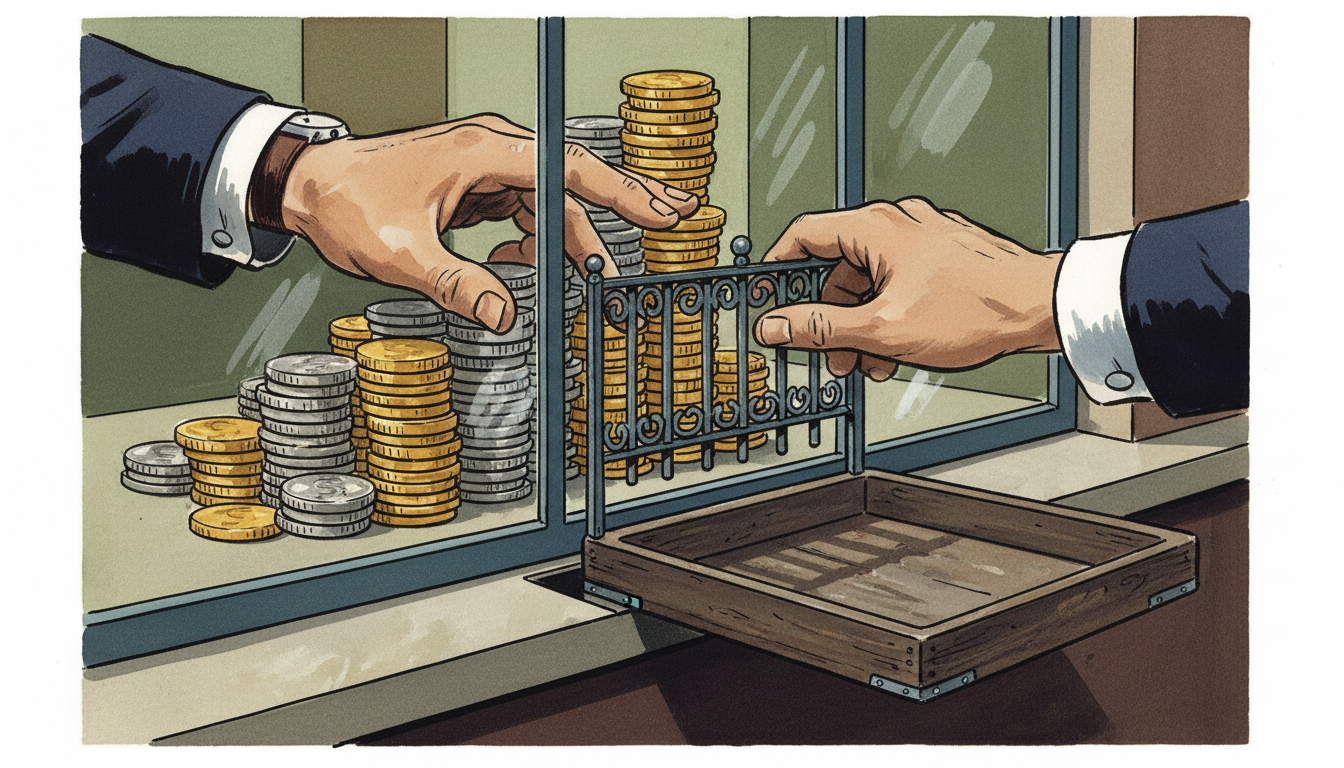
Read the original agreement against the new demand
Imagine that the withdrawal page originally promised a flat $5 charge. After you click withdraw, an account manager sends a message describing a refundable security deposit worth ten percent of your balance. Save both versions. A flat processing charge and a separate transfer to unlock an account are different transactions, and the operator should be able to explain the difference in writing.
Check the date and version of the fee schedule. Ask the sender to identify the exact clause, who receives the fee and why the platform cannot deduct it from the balance it claims to hold. An answer that simply repeats the amount or shortens the deadline leaves the central question open. Avoid sending a smaller test fee to see what happens.
Trace the two transfers separately
One confusing feature of a crypto withdrawal fee scam is buying crypto on a familiar exchange and then moving it to an address supplied in a chat. The receipt from the exchange documents the purchase. Its name on your bank statement says little about the person who supplied the destination address. Open your withdrawal history and locate the separate outgoing transfer.
In a crypto withdrawal fee scam report, distinguish those two events by time, amount and destination. If support sent a different address for the proposed release fee, label it as a requested payment. An investigator needs to know which transfers actually happened. Marking an unpaid request as a loss can make even a well-documented timeline difficult to reconcile.
When a small withdrawal worked the first time
An early payout can make a later demand seem plausible. Look at what that first transfer proves. A payment arrived on a particular date. It establishes neither how much money the platform holds today nor whether the remaining displayed balance can be redeemed. Preserve the incoming transaction alongside your deposits so a reviewer sees the entire sequence.
Calculate your cash position separately from the site’s profit figure. If you sent $1,000 and received $80 back, record both amounts. If the screen now shows $3,000, describe that figure as a displayed balance. This gives your payment provider a factual starting point without requiring it to accept the platform’s valuation.
A support message you can use
“I requested a withdrawal on [date]. Please identify the contractual basis for the additional payment, the legal entity requesting it, and the withdrawal reference. Please reply through my existing support ticket.” Keep your copy. If the response directs you to a different messaging account, record that change of channel and verify the account independently.
If someone invokes a tax office or regulator, write down the authority, jurisdiction and reference number. Independently locate the authority’s published contact information before relying on the claim. An official-looking invoice, seal or signature supplied by the payment recipient gives you another claim to check, not independent confirmation of the debt.
Already paid? Reporting a suspected crypto withdrawal fee scam
Contact the service that processed your transfer promptly, using the app or number you ordinarily use. Give the fraud team the transaction identifier and explain that payment was solicited to release a displayed balance. Ask what review or reporting options apply and save the case number. Recovery depends on the payment route and circumstances.
Before blocking the sender, preserve the withdrawal request, new invoice and chat timestamps if you can do so safely. You do not need to keep negotiating to build a useful record. The point at which a new deposit became a condition of getting your own money back is often the most informative part of a crypto withdrawal fee scam report.
Can a crypto withdrawal fee scam involve a genuine exchange?
Yes. You may have used a genuine exchange to buy and transfer crypto, while a separate party controlled the website promising returns. Give the exchange the outgoing withdrawal reference. Include the receiving platform’s name in your account of the incident so the two businesses can be distinguished.
SEC investor alert on investment group chats · California DFPI complaint tracker