

Key takeaways
- Move fast: payment card disputes and chargebacks have strict deadlines, often as short as 60 days from the statement date under the Fair Credit Billing Act.
- Build a complete evidence file first, including transaction records, communications, and platform screenshots, before contacting your bank or regulators.
- Report the fraud to the FBI Internet Crime Complaint Center (IC3) and your country's financial regulator to support investigations and potential asset freezes.
- Any service that demands an upfront fee to recover your money is almost certainly a second scam targeting the same victims.
- Credit card payments offer stronger recovery rights than bank wires or cryptocurrency transfers, which are difficult to reverse.
If you want to recover money from a scam broker, your two best levers are a fast payment dispute and a formal fraud report, and both work better the sooner you act. Recovery is realistic when you paid by card and move quickly, harder when you sent a wire or cryptocurrency, and always more likely when your evidence is organized and complete.
The scale of the problem is large. The Federal Trade Commission reported that consumers lost more than $12.5 billion to fraud in 2024, with $5.7 billion of that lost to investment scams alone, and 38% of people who reported fraud said they actually lost money, according to FTC data. A scam broker refund is possible, but it depends on how you paid, how fast you respond, and how carefully you document what happened.
This guide walks through the practical steps in order: building your evidence file, disputing the payment, reporting to regulators and law enforcement, finding legitimate help, and avoiding the fake recovery agents who prey on people who have already been defrauded.
Document Your Losses to Recover Money From a Scam Broker
Before you contact anyone, assemble a single organized record of what happened. Banks, regulators, and investigators all move faster when you hand them a clear, dated timeline instead of fragments.
Collect and save the following in one folder:
- Transaction records: dates, amounts, payment methods, and reference numbers for every deposit you made to the broker.
- Account statements: bank or card statements showing the charges, plus any statements the platform itself generated.
- Communications: emails, chat logs, text messages, and call notes with the broker or any "account manager" or "analyst" who contacted you.
- Platform evidence: screenshots of your account dashboard, promised returns, withdrawal requests, and any error messages or withdrawal refusals.
- The broker's details: website URL, company name, claimed registration or license numbers, and the names used by anyone who dealt with you.
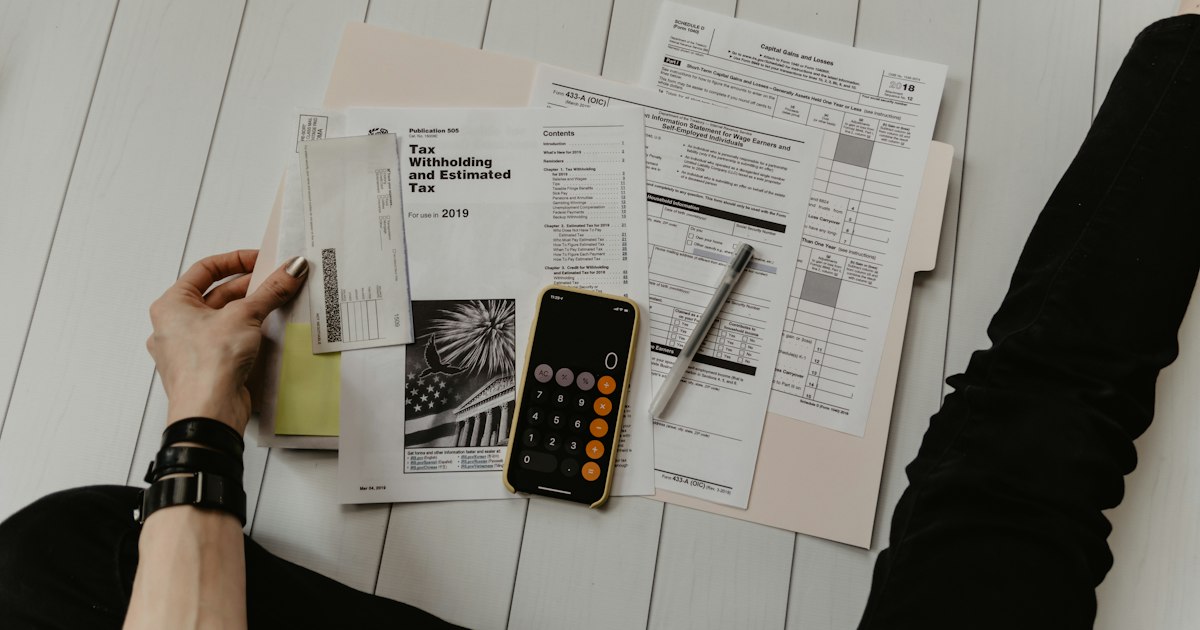
Screenshots matter because fraudulent platforms often vanish or lock accounts once victims ask to withdraw. If the broker claimed to be licensed, check that claim now and note the result, because a false regulatory claim is strong evidence of fraud. Verifying whether a broker is genuinely regulated tells you where to look and what a real license record should look like.
A complete file also protects you later. If you end up filing multiple complaints, you can reuse the same timeline and attachments instead of reconstructing events from memory weeks after the fact.
Initiate Chargebacks and Bank Dispute Processes
Your fastest path to a refund is usually the payment channel you used, so contact your bank or card issuer as soon as your evidence is ready. How much leverage you have depends heavily on how you paid.
If you paid by credit card, you have the strongest protection. In the United States, the Fair Credit Billing Act generally gives you 60 days from the statement date to dispute a charge in writing. Many card networks allow longer windows for fraud claims, but treat 60 days as your working deadline and do not wait for it. Call your issuer, state clearly that the charge was fraudulent, and ask to open a chargeback.
If you paid by debit card, you may still be able to dispute the transaction, though protections are generally weaker than for credit cards because the money has already left your account. Report it to your bank immediately, since liability for unauthorized debit transactions can increase the longer you wait.
If you sent a bank wire, contact your bank the same day and ask whether a recall is possible. Wires are hard to reverse once settled, but a fast request sometimes succeeds, especially if the receiving account is flagged.
If you paid in cryptocurrency, there is no chargeback mechanism. Report the wallet addresses to law enforcement and your exchange, which may be able to freeze funds if they are traced to an account on their platform.
When you file a dispute, keep it factual: give the dates, amounts, and a short description of the fraud, and attach your evidence. If your bank denies the first claim, you can often appeal, and a regulator complaint filed in parallel strengthens your position. For a broader walkthrough of early steps, see what to do next if you were scammed by a trading platform.
File Complaints With Regulators and Law Enforcement
Reporting the fraud does more than create a paper trail. Complaints feed databases that investigators use to connect cases, identify networks, and sometimes freeze assets before they disappear.
File a report with each of the following that applies to you:
- FBI Internet Crime Complaint Center (IC3): In the US, submit a detailed complaint at ic3.gov. IC3 routes reports to the appropriate law enforcement agencies and aggregates data across victims, which is how coordinated schemes get spotted.
- Financial regulators: In the US, report investment and broker fraud to the Securities and Exchange Commission (SEC) and, for forex and futures schemes, the Commodity Futures Trading Commission (CFTC). In the UK, report to the Financial Conduct Authority (FCA) and Action Fraud. Other countries have equivalents.
- Your local police: A police report may be required by your bank or insurer and adds to the official record.
- The FTC: Consumer fraud reports help build the national picture that drives enforcement.

Checking the broker's registration before you file strengthens every complaint, because "not registered to do business in this jurisdiction" is a concrete allegation investigators can act on. Confirming a license against FINRA and SEC records shows exactly whether the firm was ever authorized.
Be realistic about outcomes. Regulators and police rarely recover individual losses directly, and many scam operators are based offshore. Reporting still matters, because asset freezes, investigations, and enforcement actions depend on victims coming forward.
Work With Legitimate Legal and Recovery Resources
For larger losses, professional help can be worthwhile, but choose it carefully. The goal is a licensed, accountable professional whose fees and process are transparent.
Consider these legitimate options:
- A licensed attorney: A lawyer who handles fraud, securities, or consumer protection cases can assess whether civil action, a demand letter, or coordination with regulators makes sense for your situation. Many offer an initial consultation so you can understand your options before committing.
- Your bank's fraud department: Beyond the initial chargeback, a bank fraud team can sometimes pursue recovery through payment networks or correspondent banks.
- Government victim resources: Regulators and consumer agencies often publish free guidance and may direct you to legitimate assistance programs.
A trustworthy professional will be clear about what they can and cannot achieve, charge disclosed fees, and never promise a guaranteed result. Before you engage anyone, verify their credentials independently through a bar association, regulator, or licensing body.
Independent research also helps you understand what kind of scheme you fell for, which shapes the right response. If a cryptocurrency platform was involved, learning the common crypto investment scam types can help you describe the fraud accurately when you report it.
Spot Fake Recovery Agents Who Re-Victimize Targets
The cruelest part of broker fraud is what often comes next. Recovery scams specifically target people who have already lost money, and the lists of victims are frequently sold or passed along by the original fraudsters.
Treat any of these as a serious red flag:
- An upfront fee to recover your money: This is the defining sign of an advance-fee recovery scam. Legitimate recovery does not require you to pay a "release fee," "tax," "insurance," or "processing charge" before funds are returned.
- They contacted you first: If someone reaches out claiming they can recover your lost funds, especially out of the blue, be deeply skeptical. Scammers buy and reuse victim lists.
- They impersonate a regulator or law enforcement agency: Genuine agencies like the SEC, FTC, or FCA do not charge you a fee to return your money.
- Guaranteed results: No honest professional can guarantee recovery, because outcomes depend on factors outside their control.
- Pressure and secrecy: Urgency, requests to keep the arrangement confidential, or demands for remote access to your computer are all warning signs.
If an unsolicited "recovery agent" asks for payment or personal banking details, stop, keep the messages as evidence, and report the approach to IC3 and your regulator. Learning the broader red flags of an investment scam gives you a reference to recognize the next approach before it costs you.
Your Next Step
Start with the two actions that are most time-sensitive: open a folder and build your evidence file today, then call your card issuer or bank to begin a dispute while you are still inside the chargeback window. Reporting to IC3 and your regulator can follow within a day or two, but the payment dispute clock is the one that runs out fastest. If someone promises to recover your money for an upfront fee while you are doing this, treat it as a second scam and walk away. Methodical, documented action gives you the best realistic chance of getting a scam broker refund, and it protects the next person by putting the fraud on the record.
Frequently asked questions
Can I actually get my money back from a scam broker?
Sometimes. Recovery is most realistic when you paid by credit or debit card and act within the dispute window. Wire transfers and crypto payments are much harder to reverse, though reporting still supports investigations and asset freezes.
How long do I have to file a chargeback on a scam broker payment?
Under the Fair Credit Billing Act, you generally have 60 days from the statement date to dispute a credit card charge in writing. Card networks sometimes allow longer windows for fraud, so file as soon as you can.
Is it worth paying a recovery company to get my money back?
Be very cautious. Legitimate professionals do not guarantee results or demand large upfront fees. Any party that contacts you promising guaranteed recovery for an advance payment is likely running a recovery scam.
Where should I report a scam broker?
Report to the FBI Internet Crime Complaint Center at ic3.gov, your national financial regulator such as the SEC or CFTC in the US or the FCA in the UK, and your bank or card issuer so a dispute can be opened.