
How to report a crypto scam depends partly on who handled your payment, but you can start with the same three facts: how you were contacted, where the money went and what happened when you asked for it back. An incomplete report filed promptly can be supplemented as more records become available.
A useful report lets someone reconstruct the first contact, the money movement and the moment the explanation changed. Start with the earliest message you still have. Record what you personally observed and label what a representative told you.
How to report a crypto scam with incomplete records
File with what you have and identify missing items explicitly. For a US report, the FBI asks for transaction details and identifying information about the contact or platform. A wallet address identifies a destination, while a transaction hash identifies a particular transfer. Label them separately so an investigator can follow the payment.
Connect each payment to its instructions
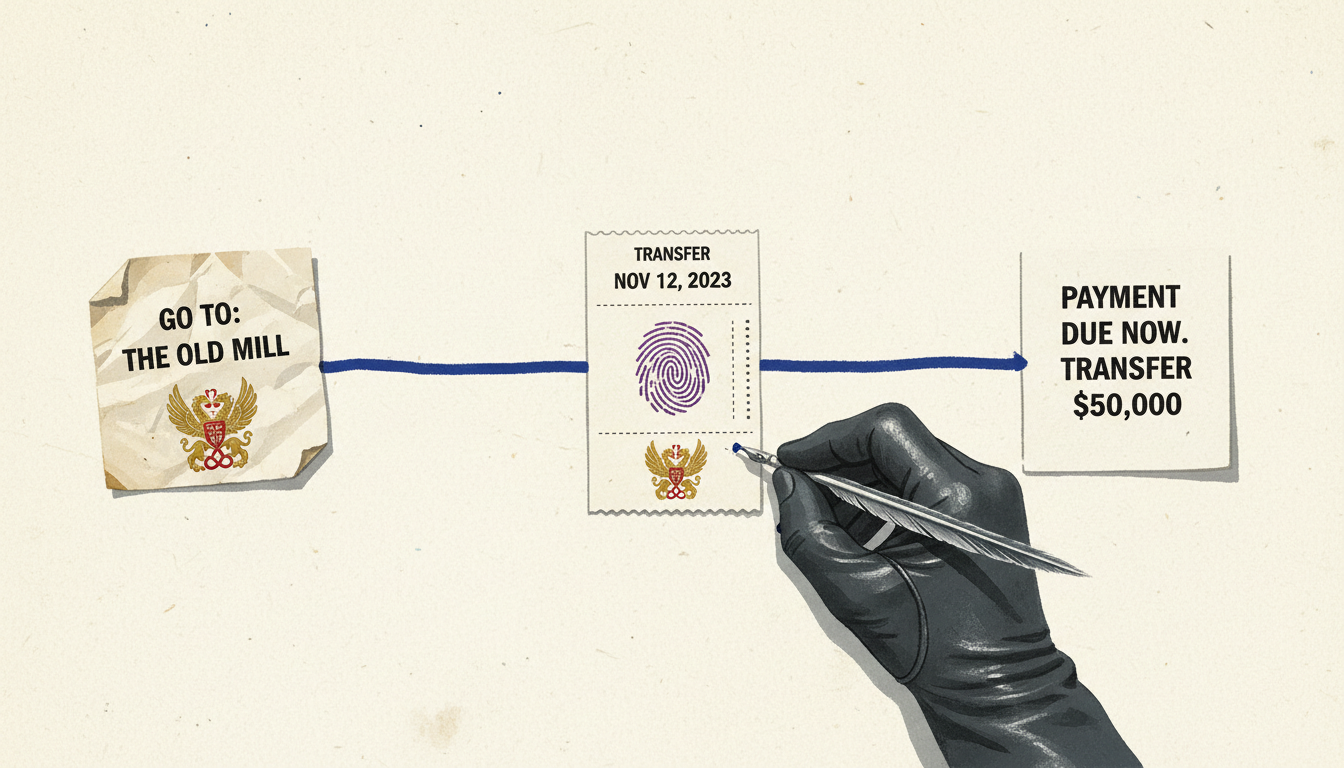
For each transfer, record the date and time zone, asset, network, amount, transaction hash and destination address. Pair it with the message requesting payment. Preserve original files privately. Redact passwords, seed phrases and unrelated personal details from copies you submit. Contact the payment provider promptly and keep the case number.
Start with a one-paragraph account
When someone asks how to report a crypto scam clearly, start with the audience. Write as if the reader has never heard of the platform. Identify the app, domain or account that contacted you, the promise that prompted the transfer, the date of your first payment and the point at which you became concerned. Give amounts in the original asset and currency wherever possible.
For example, “A person claiming to represent a trading group sent me a deposit address. I bought crypto at my exchange and withdrew it to that address. After my first withdrawal request, the group demanded a second payment.” This illustrative summary assigns each action to a person or service and makes the order of events clear.
Find the right reference in your transaction history
A bank reference can identify the payment used to buy crypto. The exchange may also display an internal order number, a withdrawal reference and an on-chain transaction hash. Include each available identifier with a label. If you cannot tell which is which, preserve the original receipt and describe where you found the number.
Copy long identifiers directly when possible. A single mistyped character can send a reviewer looking for a different transfer. Record the asset and network exactly as your exchange displays them, since similarly named assets can use different networks. If the platform provides only an internal transfer ID, include it and identify the provider.
Build the timeline around decisions
Give each important event its own dated entry. Start with the invitation, then add the instructions, outgoing transfers, attempted withdrawal and any later demand. Include the time zone shown on the device or receipt. If two messages appear out of sequence because one service uses UTC, preserve both original timestamps and explain the difference.
Pair a transfer with the message that prompted it. If you sent three instalments to two addresses, show which instruction preceded each payment. Keep requested amounts separate from completed transfers. This helps the person reviewing your complaint understand both the loss you can document and any further loss someone attempted to cause.
How to report a crypto scam to the right provider
Contact the bank, card issuer or exchange involved through its official fraud channel. Explain the payment mechanism and ask what options apply. If more than one provider handled the transaction, keep a separate reference for each. A report to a website or community forum does not substitute for notifying a provider that handled your funds.
In the United States, the FBI’s Internet Crime Complaint Center accepts reports and publishes guidance specifying the transaction details it seeks. Elsewhere, use the official fraud or cybercrime reporting service for your jurisdiction. Independently navigate to the agency’s website. A direct message offering to file the complaint for an upfront fee adds another party to the incident.
Protect your evidence and yourself
Keep originals privately and share redacted copies where appropriate. A public warning can omit account numbers, home addresses, personal contact details and unrelated conversations. Never include a wallet recovery phrase, private key, password or one-time code. An investigator can use public transaction identifiers without needing the means to control your wallet.
Knowing how to report a crypto scam also means tracking the agency’s response. After submitting, record the date, agency, case number and method for sending additional evidence. If someone later claims to be assigned to the case, contact the agency through its published channel and check the reference yourself. Understanding how to report a crypto scam includes knowing where the genuine conversation should continue.
How to report a crypto scam when the website disappears
Use the records you still have. Browser history may preserve the exact domain, an exchange receipt may identify the destination, and an email notification may show when the account was opened. State when you last accessed the page and what happened on your next attempt. Avoid guessing why it went offline.