
Token approval scams exploit the permission a wallet holder grants to a contract. A page may promise a reward or a small swap while the signing request authorises spending far beyond that action. Before confirming, identify the token, spending limit and contract receiving the permission, then ask how each relates to what you intended.
One Small Purchase, One Large Permission
Imagine visiting a page to exchange twenty units of a token. The wallet presents a permission request allowing a contract to spend a much larger amount. The difference is a question to resolve before signing. The amount shown on the website and the allowance requested by the contract describe different parts of the transaction.
Some legitimate applications request broad allowances for convenience across repeated transactions. That practice makes the identity and scope of the permission particularly important. A familiar interface or a small intended purchase cannot establish that the contract behind the request is one you should trust.
MetaMask explains that an approval lets an application access specified tokens, with the allowance controlling how much it can spend. Its guide is useful for understanding the wallet prompt before you respond to it. Read MetaMask’s explanation of token approvals.
Three Details That Expose Token Approval Scams
First, identify the asset and network. Token symbols can be copied, so check the token contract where the wallet provides it. Second, inspect the spending limit. Third, identify the spender contract. Record all three when asking for help. A screenshot showing only a token’s logo leaves out the permission’s recipient.
In token approval scams, the surrounding website may describe the action as verification, activation or claiming a gift. Compare that description with the wallet’s own request. If you cannot explain why the proposed action requires spending access to your existing assets, stop and seek clarification through the genuine provider’s official documentation.
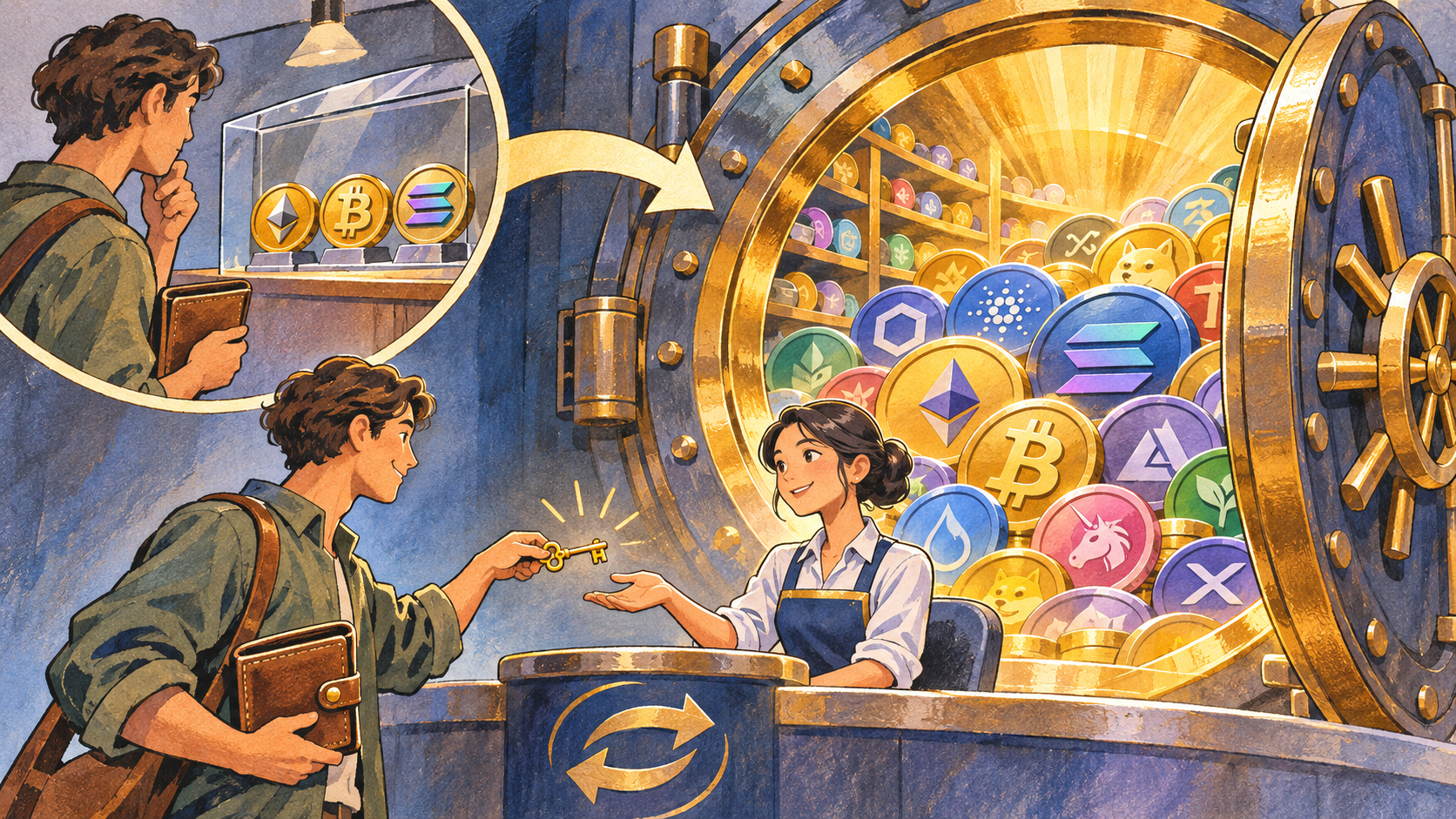
Connection and Spending Permission
Connecting a wallet can let a website see a public address and request actions. An approval grants a particular spending permission. A signature request can also carry meaningful consequences depending on what is signed. Read each request separately instead of treating an initial connection as blanket consent for everything that follows.
Disconnecting a website from the wallet interface may leave previously granted on-chain allowances in place. Use the wallet provider’s official guidance to review and revoke permissions. Reach any review service independently. A stranger’s link promising an urgent “approval repair” can simply become the next place you are asked to sign.
A Safer Way to Handle an Unclear Request
Close the unexpected request rather than trying to make sense of it under a countdown. Navigate to the service independently and compare its instructions. Ask its official support team which contract should request the allowance for that network. Share public addresses and redacted screenshots, keeping recovery phrases and private keys private.
If the service supports a custom allowance, consider the amount required for the specific task after verifying the contract. A smaller limit reduces the amount that particular permission can spend, but it does not authenticate a malicious spender. Identification comes before deciding how much access to grant.
Our wallet safety resource covers related choices about account access and transaction hygiene. Use it alongside the exact permission details, especially when a new application is introduced through an unsolicited message. Review wallet safety practices.
If You Already Approved
Write down what happened before making further changes. Save the approval transaction hash and the spender address. Distinguish the permission event from any later transfer. A permission can exist without an observed loss, while a later transfer needs its own hash and amount in your record.
For suspected token approval scams, follow the wallet provider’s verified instructions to examine and revoke the relevant allowance. Revocation may require a network transaction and a fee. If your recovery phrase was also exposed, tell official support because the exposure extends beyond a single allowance. Avoid approving additional requests from the disputed site.
A useful report explains which page requested the action, what it promised and what the wallet actually authorised. Investorwatchdog’s reporting guide helps organise those separate observations. Prepare a financial fraud report.
Do Token Approval Scams Require Your Recovery Phrase?
A harmful spending permission may be enough to expose the affected tokens without the phrase being disclosed. That is why keeping the phrase secret and reading signing requests are complementary habits. Protecting one route to the account does not eliminate the need to check another route.
Keep a short permission record for applications you continue to use. Include the network, asset, spender and reason for granting access. When you stop using an application, consult your wallet’s official instructions for reviewing old allowances. Token approval scams are easier to investigate when you can identify which permission was created during the disputed visit.
Use the wallet’s expanded view whenever a request is truncated. The information hidden behind a shortened address can be essential to identifying which contract will receive the allowance.
What to Remember Before Signing
Token approval scams depend on a gap between the action described and the authority granted. Close that gap by naming the asset, spender and allowance in plain language. If any of those answers is missing, you have a concrete reason to pause before confirming.