
Address poisoning scams exploit a habit that feels sensible: reusing a destination from your wallet history. A tiny transfer can place a lookalike address beside a genuine payment. Before sending again, compare the full destination with a record obtained from the intended recipient through a channel you already trust.
The Mistake Happens When You Copy
Imagine sending a payment to a supplier on Monday. On Tuesday, your wallet history contains another entry with an address beginning and ending with familiar characters. On Friday, you copy that newer entry for a second payment. The middle characters differ, and the second transfer goes somewhere else.
The amounts in this example matter less than the source of the destination. A previous transaction list is a record of activity involving your account. Other people can send transactions to a public address. An entry appearing in that list therefore requires its own verification before you treat it as an approved recipient.
MetaMask explains that attackers can create similar-looking addresses and introduce small transfers to encourage this copying error. Review its explanation before interpreting an unexpected entry as evidence that someone controls your wallet. The preventive action is to authenticate the destination you plan to use. MetaMask’s explanation of address poisoning.
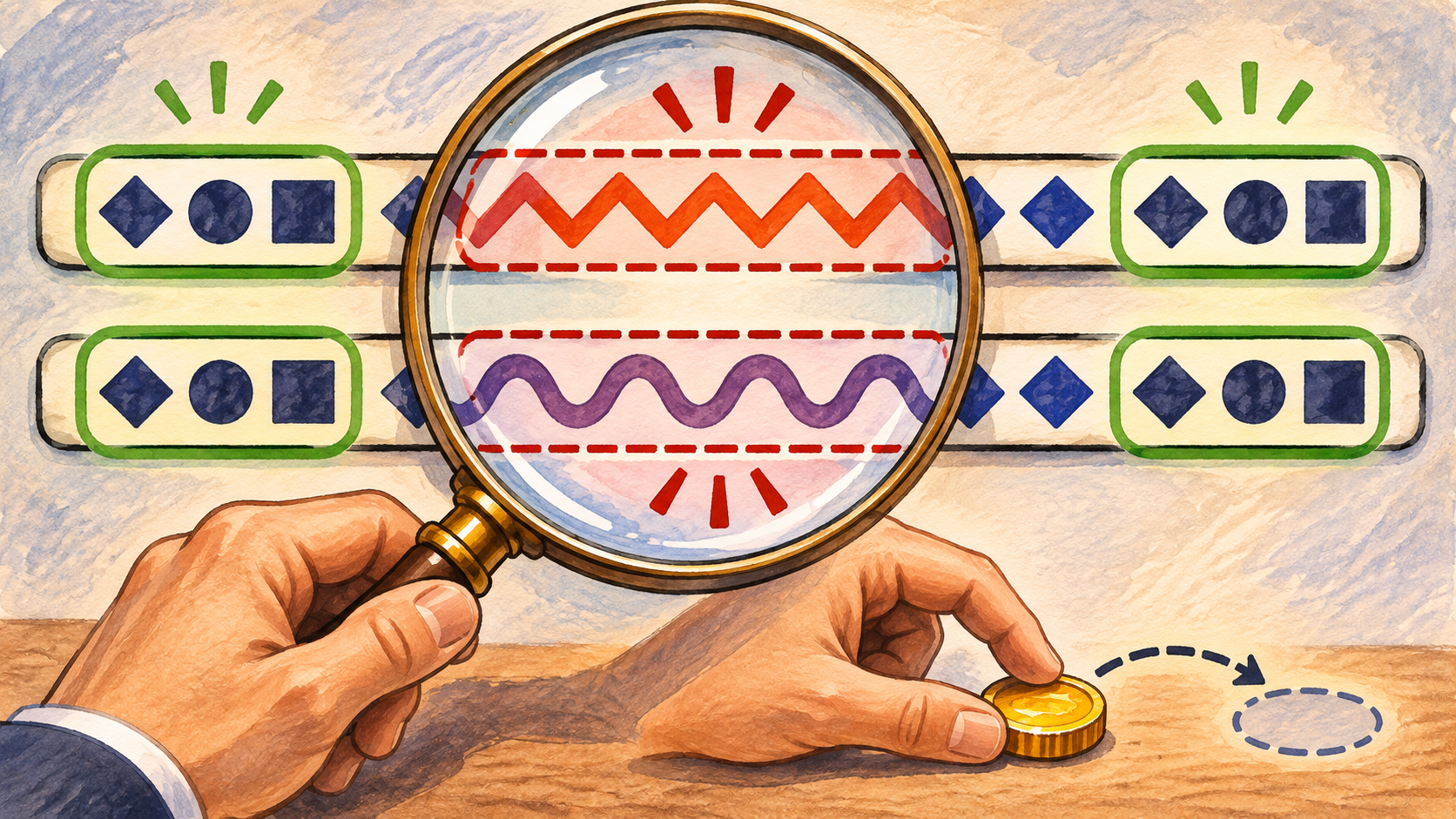
How Address Poisoning Scams Exploit Shortened Displays
Wallets often shorten an address for readability. A display might show a prefix, an ellipsis and a suffix. Those visible fragments help you navigate a list, but an attacker can aim to reproduce them. Expand the address before comparing it. Pay particular attention to the characters hidden by the shortened display.
For a recurring recipient, maintain a verified address record using the wallet’s supported contact or address-book features. Confirm how that recipient handles changes. If they announce a replacement address, verify the change independently before updating your record. An unexpected message saying “use this one today” creates a new verification task.
A Transfer Routine Against Address Poisoning Scams
Open the intended recipient’s details from your trusted record. Confirm the asset and network as well as the address. Ask whether a destination tag or memo is required for that service. These details solve different problems, and a visually correct address alone cannot establish that you selected the right network or supplied a required reference.
Next, compare what is shown on the final confirmation screen with what you intended to send. If your wallet or signing device displays the complete destination, inspect it there. A small test payment can help check receipt, but only when the recipient confirms it and you independently verify the destination again for the remaining transfer.
A test does little if the second payment uses a newly copied address. Keep the verified destination attached to the task rather than returning to recent history. Investorwatchdog’s broader wallet checklist covers related precautions when storing and transferring assets. Read the crypto safety guide.
What an Unexpected Transfer Establishes
Address poisoning scams can leave confusing records, but an unsolicited transfer alone does not establish that your recovery phrase was stolen. Record the transaction hash, network and suspicious address. Compare the actual asset movement with the wallet’s display before concluding that funds left your control.
Avoid interacting with unfamiliar tokens or following messages attached to them. If a wallet warning appears, pause and investigate through the wallet provider’s independently located support site. A person who messages you offering to “clean” the history is introducing a separate trust decision. Never give them your recovery phrase or signing access.
If You Sent Funds to the Lookalike
Preserve the intended destination and the destination actually used. Record where each address came from. Include the original genuine payment, the suspicious intervening entry and the outgoing transfer in chronological order. This makes the copying mechanism visible to the provider reviewing your report.
Contact the sending service promptly through its official channel and describe address poisoning scams as the suspected mechanism, while keeping your observations precise. If a receiving exchange can be identified, report through its official fraud channel too. A confirmed blockchain transfer may have limited recovery options, so avoid promises about reversal.
For help organising those records, use our article on creating a traceable complaint. The most useful detail is the exact point at which the substituted address entered your payment process. Build a payment timeline for your report.
Can Address Poisoning Scams Affect Experienced Users?
Yes. Familiarity can encourage someone to recognise only the first and last characters. A repeat-payment routine should make the complete destination comparison easy, even when you are tired or working quickly. The safeguard belongs at the final payment decision, where the address you approved becomes the address that receives funds.
Before a recurring payment, ask yourself which record supplied the address and when it was last verified. If your answer is simply the latest wallet entry, return to the recipient’s trusted details. A short pause at this point is more useful than trying to interpret a suspicious transfer after the money has left.
A Habit That Reduces Exposure
Treat address poisoning scams as a reason to improve how you source recipients. Use verified contacts, inspect final confirmations and independently confirm changes. Those steps give you a repeatable process instead of relying on how familiar a line in the transaction history looks.